 443-973-6737
443-973-6737
443-973-6737
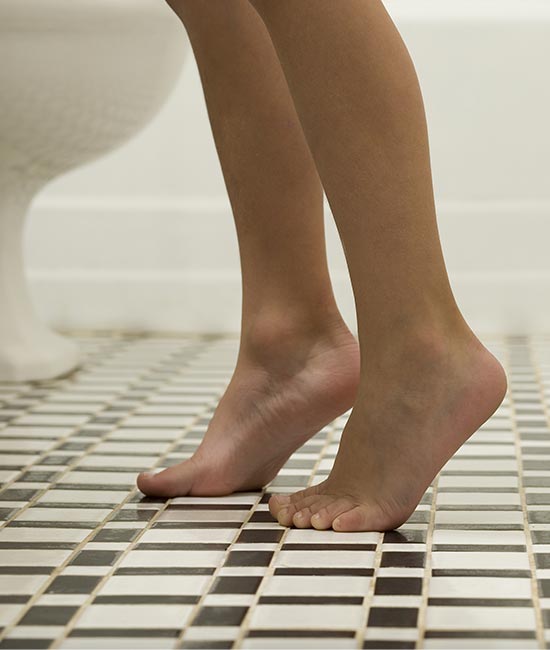
Tile floors and walls are popular in many homes because they are durable, practical, and provide a clean, organized appearance. Unlike tile surfaces, grout is porous, which makes it more likely to discolor if it is not properly maintained. When grout darkens or stains, it can change the entire look of a room. Kitchens, bathrooms, and entryways are especially vulnerable due to frequent foot traffic, moisture, and routine use. With a few consistent habits and some preventive care, tile and grout can stay cleaner and more even in appearance for years.
Most ceramic and porcelain tiles resist staining fairly well, but grout behaves differently. Grout is made from a cement-based mixture that naturally absorbs liquids. When water, oil, or food residue sits on unsealed grout, it can soak in and leave behind discoloration.
In busy areas like kitchens and bathrooms, spills and splashes are part of daily life. Grout lines are usually slightly recessed below the tile surface, which allows moisture and debris to collect more easily. Over time, this buildup leads to staining that routine wiping does not always remove. That is why protection and maintenance matter just as much as cleaning.
Many grout stains develop gradually rather than from a single spill. Daily exposure to moisture, cooking residue, and foot traffic slowly wears down protection and allows discoloration to set in.
These small, everyday patterns help explain why grout sometimes darkens without an obvious cause.


Grout sealing is one of the most effective ways to prevent staining. A quality sealer creates a barrier that slows absorption and makes cleanup easier. In most homes, grout should be resealed every 12 to 18 months. Areas exposed to frequent moisture, such as showers and kitchen floors, may benefit from resealing closer to every six to twelve months.
Even sealed grout can stain if spills are left too long. Liquids like wine, juice, coffee, and cooking oil should be wiped up promptly. The faster the response, the lower the chance of lasting discoloration. For most spills, a mild, pH-neutral cleaner is enough.
Entryways, hallways, and kitchens see the most foot traffic. Dirt and grit carried in on shoes can slowly wear down grout and make it harder to keep clean. Placing mats or rugs in these areas helps capture debris before it reaches the tile surface. It is a simple step, but one that can make a noticeable difference over time.
Even with regular upkeep, grout can slowly collect residue that household cleaning does not fully remove. Periodic professional cleaning can help reset the surface and restore a more even appearance. Services by Hippo Carpet Cleaning Ellicott City use equipment designed to clean deeply without damaging tile or grout. Professional cleanings are also a good opportunity to reapply sealer if protection has worn down.
Some cleaning products can do more harm than good. Strong chemicals like bleach or ammonia may weaken grout over time and break down protective sealers. Abrasive products can also scratch tile surfaces, making them more prone to staining later. Mild, non-abrasive cleaners with a neutral pH are generally safer for routine care.
The right resealing schedule depends on how much use the area gets and how often it is exposed to moisture. In rooms with moderate traffic, resealing every year to year and a half is often sufficient. Bathrooms, kitchens, and entryways may need attention more often.
A simple way to check whether grout is still protected is the water drop test. Place a few drops of water on the grout line and observe what happens. If the water beads up and stays on the surface, the sealer is likely still working. If the grout darkens quickly, it may be time to reseal.
Basic maintenance tasks such as wiping spills, choosing appropriate cleaners, and applying consumer-grade grout sealer are manageable for many homeowners. These steps work best when grout is already in relatively good condition.
When grout is heavily discolored or has not been sealed in years, professional tile and grout cleaning and sealing may be more effective. Experienced technicians can assess the condition of the grout, remove embedded residue, and apply sealers evenly for longer-lasting protection.
Avoiding these habits helps maintain both appearance and durability.
Tile and grout add value and function to a home, but they hold up best with consistent care. Simple preventive steps, combined with occasional deeper cleaning when needed, can help reduce staining and keep surfaces looking well maintained.
If professional cleaning is needed, help is available at 443-973-6737 to restore and protect tile and grout surfaces before stains become harder to manage.